AMD Radeon AI PRO R9700 added to FreeBSD Home Server
AMD ROCm, AI inference and compute on FreeBSD via bhyve GPU passthrough, and reducing blower fan noise
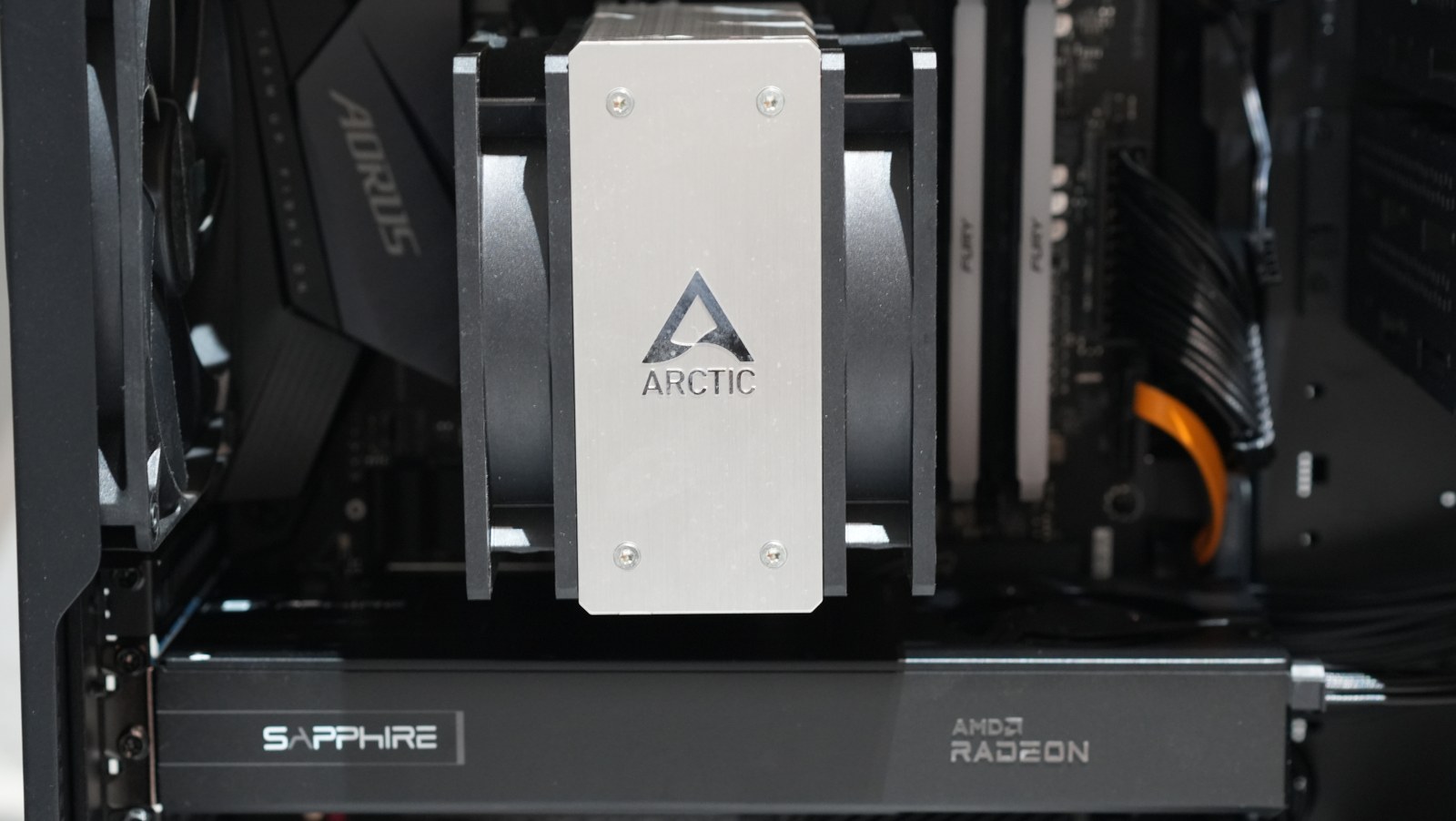
Recent developments of dense local multimodal models such as Qwen 3.6 27B and supporting tools I use such as opencode and hermes agent, have made them actually very productive for my work and workflows. This along with with the successful being able to successfully run AMD's open source AI and compute stack on Ubuntu Linux VM under FreeBSD via GPU passthrough, made me decide to invest in this upgraded GPU.
Everything works as it should with no major issues. The only issue I found was that the budget 5500GT CPU I have on my home server is a slight bottleneck, so will need to find a second hand CPU like the 5900X or 5950X to make better use of the new GPU. Also the blower fan is really noisy at max speed. Thankfully there is a simple fix, which I cover below.
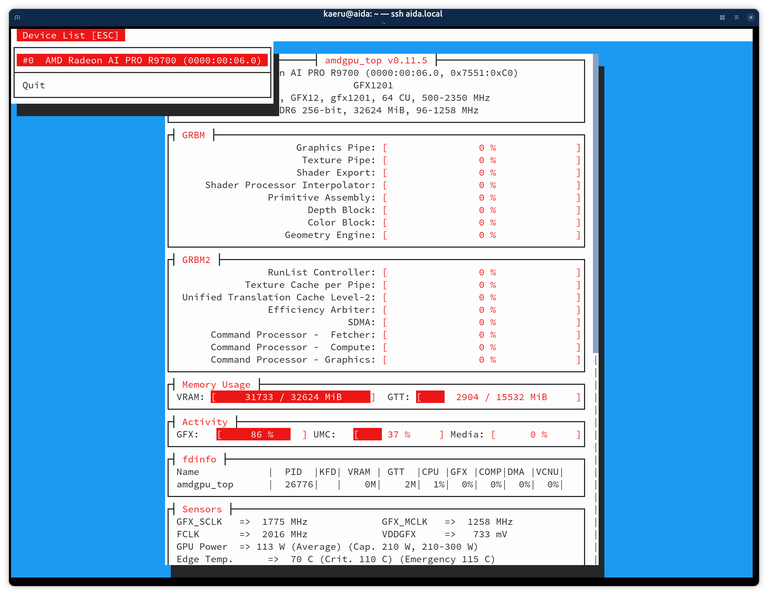
Power and Noise
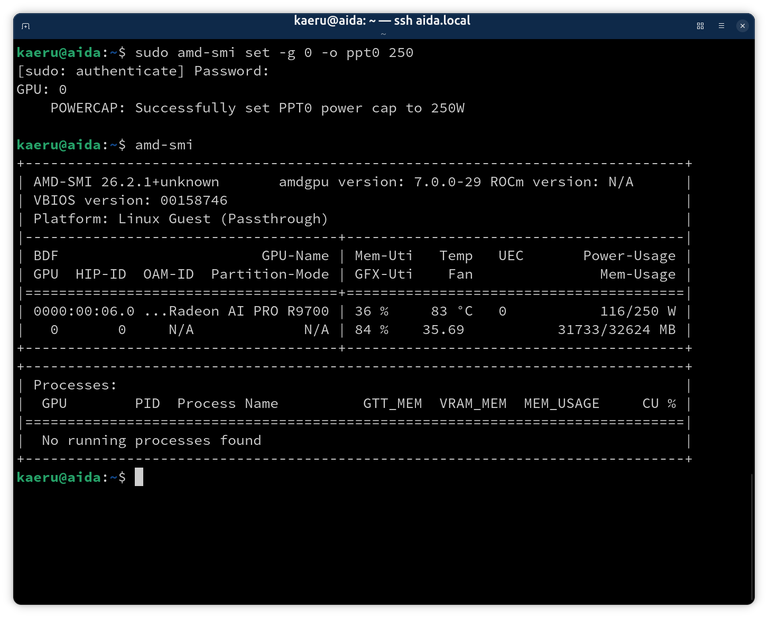
The R9700's are blower style cards, meant for dual or quad GPU setups. It can get very loud at max power. Thankfully you can cap the power to reduce the noise thanks to this tip on Reddit. You can cap the power to around 210-250W and you'll barely hear it over the sound of say an air-conditioner in the room. I then uncap it when I'm away from my room.
sudo amd-smi set -g 0 -o ppt0 250
Where -o ppt is value between 210-300 Watts. -g 0 is your GPU ID You can find out what your GPU id is by typing amd-smi without any options.
The other thing I like about local AI is that, at least on my home server, I would only run the compute tasks during the day, when it's powered by solar power. It's good enough for what I need it to do, without driving demand for unsustainable data centres.
I'll be writing in more detail in separate updates on my home solar setup in Malaysia, and how I use AI and tools for civic tech development and anti-corruption research.